Navigating PancakeSwap: A Trader's Guide to DeFi Success
Discover how to effectively use PancakeSwap in your DeFi trading journey and tap into the $3.5 billion TVL of the Binance Smart Chain.
xacecalls The decentralized finance (DeFi) landscape continues to evolve, and PancakeSwap has firmly established itself as a leading platform on the Binance Smart Chain (BSC). As of October 2023, PancakeSwap boasts an impressive total value locked (TVL) of over $3.5 billion and caters to millions of users worldwide.
For BSC traders, PancakeSwap is a crucial tool, especially as trading volumes surge. In this article, we'll dive into the common issues that can lead to swap failures on PancakeSwap, explore their causes, and share practical solutions you can implement.
PancakeSwap is a decentralized exchange (DEX) built on the Binance Smart Chain that enables users to swap BEP-20 tokens effortlessly. It operates on an Automated Market Maker (AMM) model, which means there's no need for traditional order books.
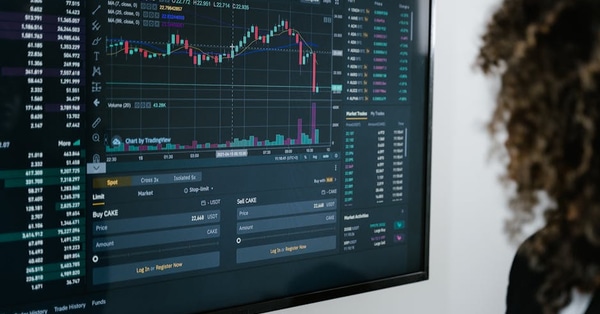
PancakeSwap stands out among other DEXs on the BSC, often boasting a daily trading volume that exceeds $500 million. It’s a pivotal player in the DeFi ecosystem, driving innovation and activity.
Liquidity is the lifeblood of executing swaps. When liquidity is low, it can lead to significant slippage or even failed transactions. For example, if you're trading a token pair like WIF and SOL, a lack of liquidity can result in a swap failure, leaving you frustrated.
Slippage is the difference between the expected price of a trade and the actual price after execution. A common reason for swap failures is setting a slippage tolerance that's too low. If you encounter issues, consider adjusting this setting—it can make a world of difference.
Sometimes, smart contracts may have bugs or compatibility issues. Recent experiences with tokens like PEPE and BONK have shown how contract problems can derail swaps entirely. It’s essential to stay informed about the contracts you’re dealing with.
🎯 KEY INSIGHT

In 2023, over 27% of unexecuted PancakeSwap transactions were due to insufficient liquidity and low slippage settings. Understanding these parameters is crucial for successful trading.
If your swap fails, the first thing to do is monitor its status on BSCScan. Transactions can be confirmed, pending, or failed, and each status can provide valuable insights into what went wrong. Understanding the status can help you troubleshoot and determine your next steps.
Tags:
Ready to Make Profitable Crypto Calls?
Check out our proven track record on the leaderboard
View Leaderboard →Related Posts
Is a $2 Billion Bitcoin Bet Opening Doors for Meme Coins?
Discover how a Bitcoin whale's massive investment could signal a new wave of opportunities in the meme coin market. Don't miss out on this insight!
Is MOBOX Leading the Blockchain Gaming Revolution in 2023?
Discover how MOBOX is shaping the blockchain gaming landscape amid a 340% rise in games this year. A must-read for every crypto enthusiast.
Understanding Token Burning on Binance Smart Chain
Curious about BSC's token burning? Discover how it impacts value and investor sentiment in this insightful look at deflationary tokenomics.
The Rise of Meme Coins: What’s Fueling the Surge?
Join us as we explore the explosive growth of meme coins like $PEPE and $DOGE. Discover why they're captivating traders worldwide.
Mastering Japan's Crypto Rules & Meme Coin Trends
Stay ahead in crypto! Explore Japan's new reserve rules and strategies for trading meme coins like SOL. Equip yourself for success in this dynamic market.
Unlocking Arbitrage: Flashloans in the BSC Boom
The Binance Smart Chain is witnessing a flashloan explosion! Discover how traders are capitalizing on new arbitrage opportunities amid rising volatility.